Improve Your Accuracy with Dry Fire Drills
Dry fire drills are an inexpensive way to improve accuracy
Richard Mann
• 6 min read
Ammunition is expensive. So is gasoline. This means trips to the range cost more now than they used to. You might also be working harder and longer to make more money to fight the rising tide of inflation. This means you also have less time. And all of this means that it’s harder to practice with your rifle or handgun. But what if I told you there was a way to improve your shooting that did not require a lot of time and that would cost you nothing?
Dry Practice
Dry practice is the act of training with a firearm without ammunition. There are two types of dry practice. Dry fire simulates shooting, and dry handling simulates weapon presentation and manipulation. Ammunition is not used with either, so this means since you’re not actually shooting, you do not have to be at a range. The savings should be obvious; you don’t have to spend money on ammo or fuel, and you don’t waste time driving back and forth. Dry practice can be conducted in the comfort of your home, any time you have just a little bit of free time to devote to it.
Dry Practice Safety
The key to conducting safe dry practice is to adhere to the same firearms safety rules you do when you’re actually shooting. But to enhance the safety of the process even further there are some additional steps to take. When dry practicing you should utilize a location that will allow you to point your handgun or rifle in a safe direction, and that location should be free from distractions and interruptions. When I’m dry practicing I always turn off my cell phone. Also, and always, before conducting any dry practice, visually and physically confirm your rifle or handgun is unloaded. Then, quarantine all the ammunition in a separate location.
How to Dry Practice
Dry practice is mostly used to improve your ability to hit what you’re shooting at. The secret to getting hits is to learn to press the trigger without disturbing the alignment of the sights on the target. Sight alignment is the easiest aspect of shooting; once you’ve learned it, you never forget it. The trigger press – trigger control – is the hardest part of shooting. Not only does it take a lot of repetitions to learn how to properly press a trigger, but it also takes a lot of repetitions to not forget how to press a trigger. Dry fire is a great way to get those reptations in.
Pointing your rifle or handgun in a safe direction, align the sights on a target and then press the trigger. The goal is to conduct your trigger press without significant sight movement. Yes, there will be some wobble as the sight oscillates over your aiming point. The key is to minimize that wobble while pressing the trigger. The more you do it, the better you will get and there are some tricks to help with this. I sometimes balance a dime on the barrel of my handgun or rifle and attempt to pull the trigger smoothly, so that the dime does not fall off. You can also invest in a variety of different laser training devices.
Combining Dry Fire and Dry Handling
Drawing a handgun or mounting a rifle is also part of shooting. Executing a smooth draw or mounting a rifle to your shoulder smoothly, so that the sights come into alignment with the target, helps make your shot easier and faster. Instead of just repeatedly dry firing, I frequently combine drawing my handgun or mounting my rifle with a dry fire trigger press. Also, if you’re using a rifle with a manually operated action, like a bolt or lever action, practice cycling the action, after the dry fire trigger press, without removing it from your shoulder. Some handguns and most rifles also have safeties and part of drawing the handgun or mounting the rifle includes disengagement of the safety. This should be incorporated into dry practice too.
Frequency
To ensure you maintain focus, each dry practice session should only last between 10 and 20 minutes. Most of us can carve out that much time each day, and ideally a daily routine of dry practice will yield the best results. I’ve seen shooters improve their scores by as much as 25 percent with only 10 minutes of dry practice conducted every day for just one week.
However, one of the most often overlooked opportunities for dry practice is during live fire. When I go to the range, I always conduct a bit of dry practice before I start shooting. I also do it before I try a new drill or exercise. This is exactly what professional golfers do; before they hit the ball, they take a few practice swings. Shooting and handling your gun with more accuracy and efficiency is all about repetitions. The more repetitions you get, the better you will perform, and dry practice is one of the best ways to do that.
Conclusion
Trigger control is a key aspect of shooting proficiency and accuracy, and dry fire drills are one of the best ways to accomplish this. A few minutes every day practicing with your rifle or handgun can dramatically increase overall accuracy without incurring the cost of using expensive ammo.
FAQs
Q: Is it safe to dry fire a handgun or rifle?
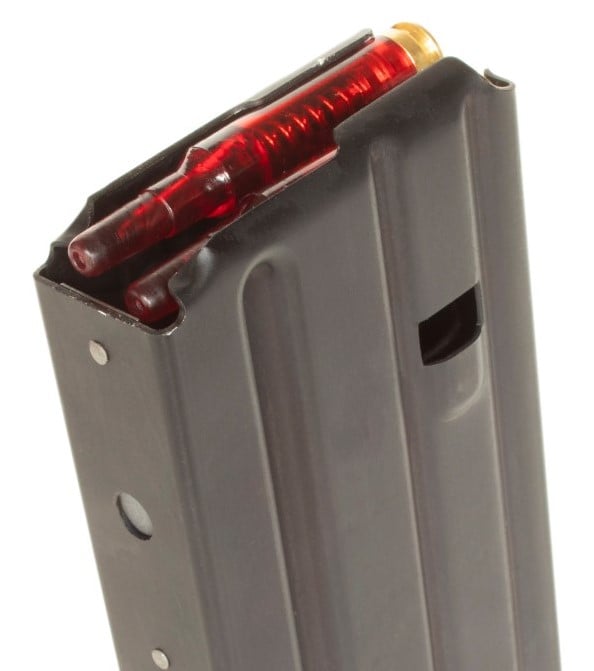
A: Yes. It is safe to dry fire most modern centerfire and some rimfire handguns and rifles. However, the use of dummy rounds or snap caps circumvent any worry of firearms damage and make dry practice safer.
Q: How often should I conduct dry fire practice?
A: The best answer is as often as possible. Also, don’t forget to combine dry fire with live fire when on the range.
Q: Are laser trainers good for dry fire practice?
A: They can be. Dry fire training can be boring, and lasers can add enjoyment to the process. They also offer immediate feedback.